
_edited_edited_edited_.png)

%20(2)_edited.jpg)


.png)
.png)
_edited.png)


_edited.png)
BA (degree in music, Cambridge University
PGCE (Post graduate certificate of education
CTABRSM (music teaching certificate)
Piano Teacher
Pianist
Organist
Singer-songwriter
We don't "suffer" from autism, only from other people's attitudes. It is possible to be autistic and happy!
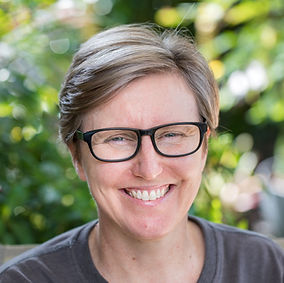
Madge Woollard
I received a formal diagnosis of autism in 2016 at the age of 44, after my wife suggested that it might improve our relationship to know. Around the same time my nephew was diagnosed at school age 8, and my stepmum said about my dad “if he was at school today he’d be diagnosed autistic”. (He definitely would.)
At first I thought I couldn’t be autistic, because I have a good job teaching piano which has always been pretty successful, I have been in a relationship with my wife for nearly 20 years and it serves us both well, I can hold a reciprocal conversation, I’ve never really had any mental health issues, and I had no learning difficulties when younger. I then went to my GP and asked to be referred, although she said not to bother as I would be “taking resources
away from children” and as I had a good relationship and job and was doing well in life, I didn’t need a diagnosis. I insisted that I had a right to know, and she referred me. I had to wait 12 months for my local autism service to have space, and I only got in on a cancellation at 15 mins notice on the day. I only had a hour to spare that day, so I had to go back and finish the assessment 6 weeks later. My wife came with me, and my mum filled in a questionnaire about my childhood experiences. Each time I went, I was there for about an hour, and I mainly talked about what interests me (music, theatre, LGBT issues, veganism) and my social experiences when I was younger (which were a struggle). Unlike many autistic females I don’t especially mask my differences, and my wife told me I “stimmed” throughout the assessment. I twiddle me fingers, grind my jaw, tap my feet etc, all unconsciously, especially when I’m anxious. I was told without doubt I am autistic, but the psychologist who assessed me said that she has never come across anyone who manages it so well!
A formal diagnosis has undoubtedly changed my life. I now understand why I found it so hard to make friends as a young person, and why I often chose solitude. I always assumed it was just because I was shy. People used to call me selfish, stand-offish, rude, but it was because I did not naturally learn social skills like other children. Even in early adulthood, these labels followed me. After teacher training college, I applied for over 60 jobs and did not get one, despite having a degree from one of the UK’s top universities. I was told in teaching practice that I was “not doing it right” and I must “try harder or I would fail.” I didn’t understand why, as I was trying my hardest. Now I know, they were expecting me to communicate in a neurotypical way, and I just couldn’t. I now know why running my own business, and focusing on my special interests, is so much better for me. I also understand my dad a lot more. I used to think he was cold, distant, unemotional, but now I know he is autistic, and we are very alike. I would recommend anyone who thinks they are autistic, and are not constrained by financial issues (in UK assessment is free on the NHS) should ask to be referred. The only drawback for me has been the public perception of autism. I don’t tell many people about my diagnosis for fear that they will think me stupid, weird or just attention-seeking. People who have known me a long time can see that I am obviously autistic, and my family have been very supportive. I hope that in the future I can be more open, as this is the best way for public perception to be changed.

Madge Woollard
.jpg)
.jpg)
Twitter: @funkiepiano